Anti-condensation coating
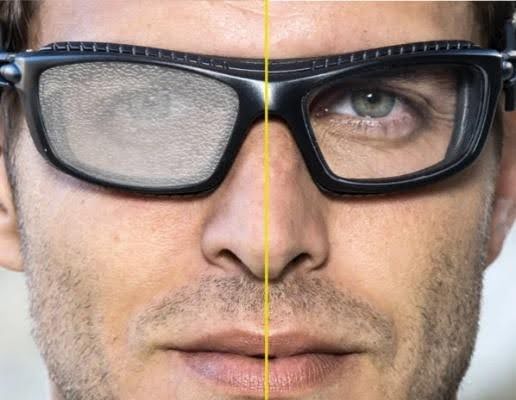
There’s nothing more annoying than fogged glasses ruining a perfect day of freeriding in the woods or skiing on the slopes. This common problem for outdoor sports enthusiasts not only hinders your enjoyment, but can also compromise safety. Fogging occurs because the heat from your skin and face collides with the cold wind on the lenses. Combined with high humidity, this condenses and creates a haze on the lenses. This effect is more common in cold and wet weather than on a summer day.
Fortunately, huge strides have been made in eyewear and lens technology in recent years. Anti-fog treatments on lenses are now increasingly standard, and frames are also being designed with better ventilation properties. Even prescription lenses can now be fitted with these treatments. But beware: not all anti-fog lenses are the same!
What is an anti-fog treatment?
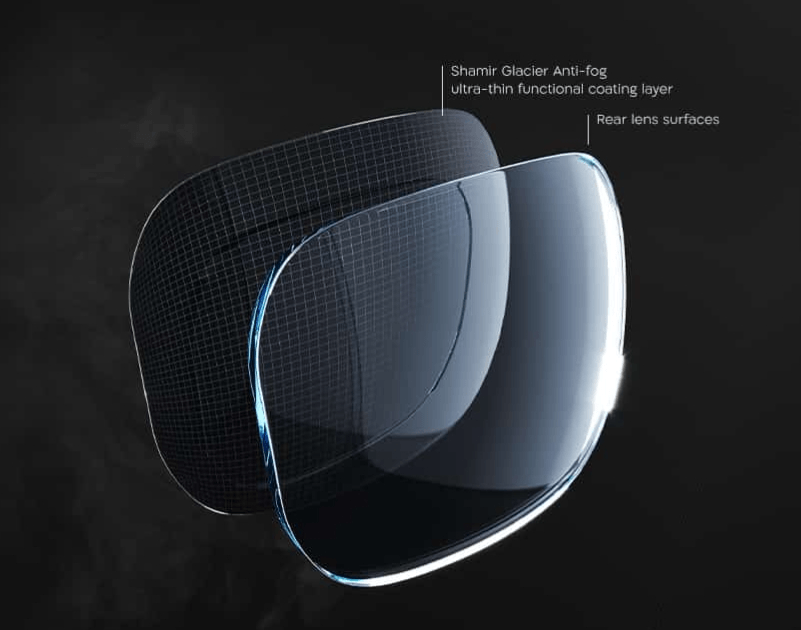
Anti-fog is a hydrophilic layer applied evenly to the inside of ski goggles, sports glasses, safety glasses and other optical products. This layer absorbs moisture, reduces the surface tension of water droplets and distributes them evenly over the lens surface. This prevents condensation that impairs your vision.
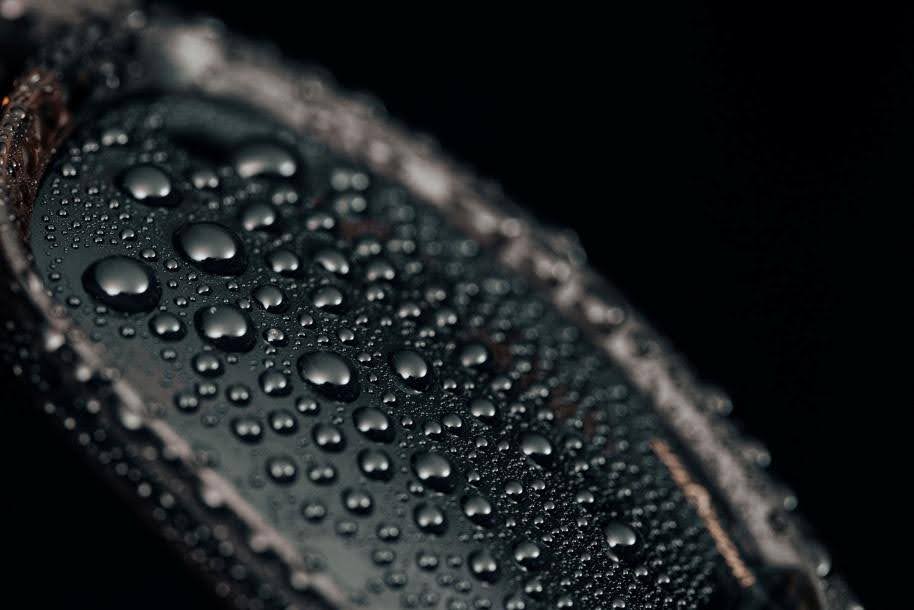
The concept is simple but effective: the hydrophilic material attracts water and prevents loose droplets from forming in high humidity or temperature changes. This is especially useful in sports where the body produces heat that comes into contact with cold outside air – the ideal conditions for fogged lenses.
How can you test the quality of anti-fog yourself?
There are a few simple ways to check if a pair of glasses has a good anti-fog treatment:
Feeling smoothness difference: You often notice that the inside of the lens feels slightly different than the outside. This is because the special anti-fog coating usually feels slightly more rigid than the smooth front. Thus, you can detect difference even in the store.
Breath test: A quick way to see if the lens is fogging up is to breathe against it. With proper anti-fog treatment, condensation disappears almost immediately. Simply compare the front of the lens with the back to see the difference. Note that this is less hygienic, especially if several people are trying on the same pair of glasses.
Not all anti-fog treatments are created equal
It is important to note that clear standards exist to determine the quality of an anti-fog treatment. For example, the EN166 standard (safety standard for safety glasses) dictates that a lens must resist fogging for a minimum of 8 seconds in a standardized test to officially qualify as anti-fog.
This means that the term “anti-fog” is not an empty marketing slogan for safety glasses – there are measurable parameters behind them that demonstrate effectiveness. Yet many manufacturers do not disclose these test results, making it difficult to make a fair comparison. The longer a lens stays clear, the better the treatment. The better anti-fog products stay clear longer than 300 seconds in the test. That’s more than 37 times more than the minimum requirement of the EN166 standard. Moreover, advanced treatments are more durable, wear-resistant and continue to perform reliably even after frequent use. So compared to various agents and wipes to prevent condensation, these coatings are a lot more effective.
Alternative solutions and their drawbacks
aast integrated anti-fog coatings, many athletes use loose solutions such as drops, sprays or special wipes against fogging of glasses. While this may help in the short term, there are also obvious drawbacks. For example, the effect is often temporary and you have to repeat the treatment regularly. In addition, drops or sprays can sometimes leave a haze or streaks, which actually makes vision less sharp.
Wipes lose their effectiveness over time, and if used incorrectly, you run the risk of damaging the anti-fog coating or scratching the lens. So these solutions are handy for emergencies, but less durable than a high-quality built-in anti-fog coating.
Disadvantages of an anti-fog layer
Although anti-fog technology offers many advantages, there are also some concerns:
– More susceptible to scratches: the special coating may be slightly more fragile than a standard lens.
– More difficult to clean: harsh cleaning agents or harsh rubbing may affect the coating. It is recommended to use a soft cloth and follow the manufacturer’s maintenance instructions.
Conclusion
A good anti-fog treatment can make the difference between frustration and a worry-free sports experience. So when buying ski goggles or sports glasses, pay attention not only to the design or color, but also to the quality of the anti-fog technology. You can often feel this for yourself by comparing the smoothness of the lens or testing with a breath test.
At Specialspex you can find eyewear with the latest and most reliable anti-fog solutions, so you always have sharp vision – no matter what the conditions. View all eyewear including anti-fog coating here. For prescription glasses, this is an option in the lens selection menu. Also see explanations from some of our suppliers and partners, such as Shamir and Bollé.