Why impact-resistant glasses are essential
Whether you’re racing down asphalt at full speed, descending a mountain trail on your mountain bike, playing a game of padel or working in an industrial environment: your eyes are vulnerable. One small projectile – a pebble shooting out of a car tire – can be enough to cause serious injury. Therefore, choosing the right lens material in your glasses is not a detail, but a crucial safety aspect.
Impact-resistant glasses
Polycarbonate: the superhero material for your eyes
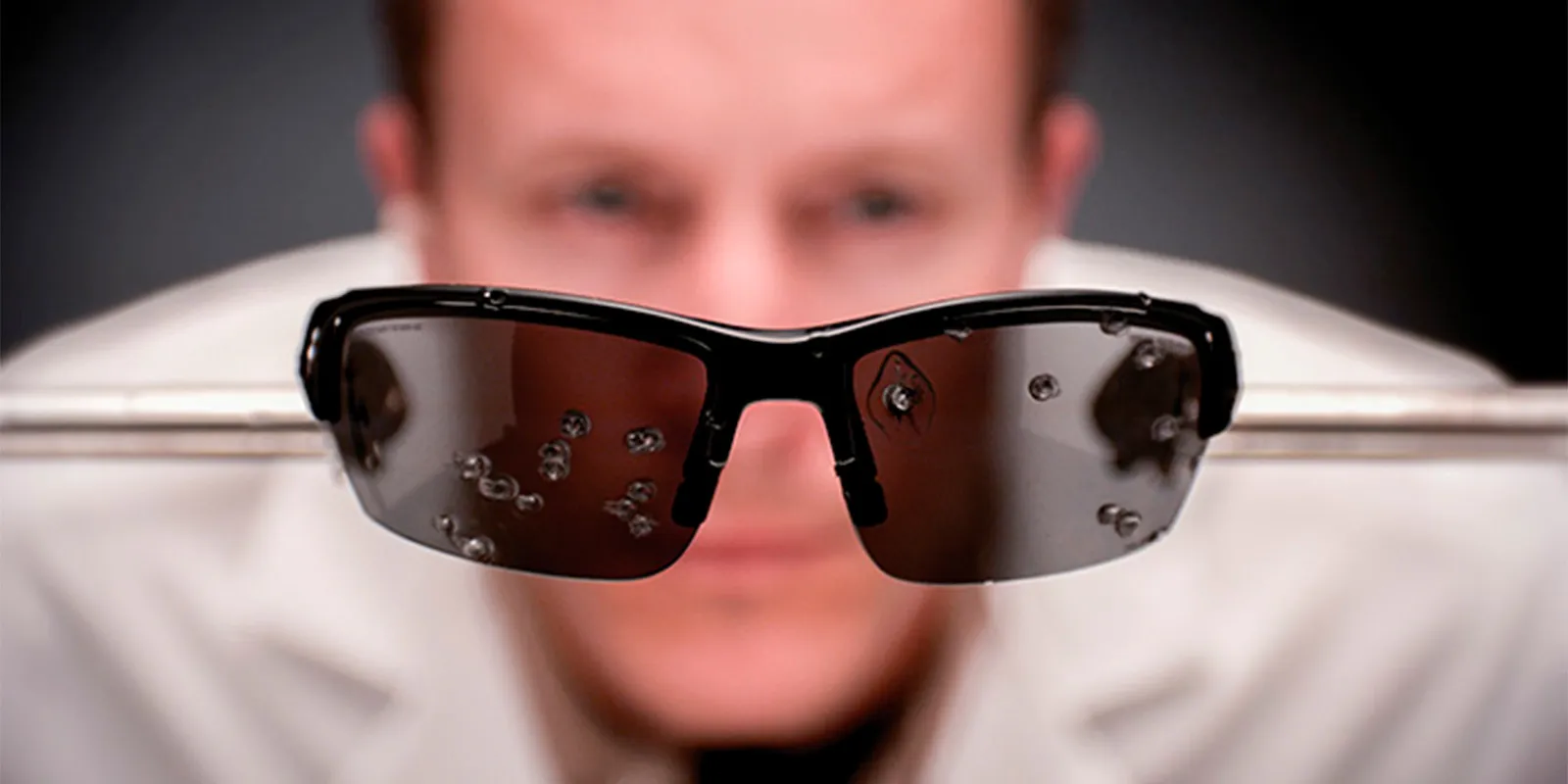
Polycarbonate is the material of choice for impact-resistant lenses. It is lightweight, extremely strong and does not splinter on impact. Polycarbonate is also used in motorcycle helmet visors, fighter jet cockpits and even bulletproof windows. That says enough about the robustness of this material.
This makes it ideal for:
Safety glasses: In factories or workshops where metal particles or splinters can fly around, polycarbonate offers reliable protection.
Motorcycle glasses: Think of a pebble hitting your glasses at 100 km/ph. Polycarbonate absorbs the impact without breaking.
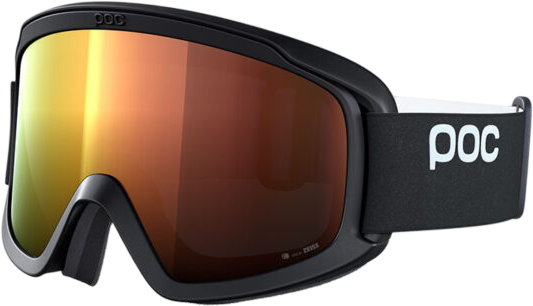
Sports glasses: In case of a fall or impact during skiing, mountain biking or sailing, it prevents cracks and splinters.
Alternative materials: Trivex and NXT nylon
In addition to polycarbonate, there are other high-quality materials used in impact-resistant eyewear:
- Trivex: Lightweight, optically very clear and resistant to both impact and chemicals. Ideal for safety glasses in laboratories or chemical environments.
- NXT nylon: An advanced material originally developed for military applications. It offers excellent optical performance, is flexible and extremely impact resistant.
These materials are especially popular in sports glasses and high-end safety glasses, where weight, comfort and durability go hand in hand.
What is the best material for prescription sports or safety glasses?
At Specialspex, polycarbonate is used as standard in all prescription eyewear. This ensures maximum protection against impact, UV radiation and splintering. For situations with chemical risks, Specialspex also offers glasses with Trivex lenses, which are more resistant to aggressive substances while remaining light and comfortable.
All eyewear meets EN166 standards, including Class F and S, for guaranteed impact resistance.
Risk sports: squash and padel
In racquet sports such as squash and padel, the risk of eye injury is surprisingly high:
- A squash ball fits right into the eye socket and can cause serious damage upon impact.
- In padel, a dynamic sport that combines elements of tennis and squash, balls or rackets can unexpectedly hit the face. Especially with balls going through the glass or bouncing off the edge of a racket, the risk of an eye injury is real.
According to Sports Care, the number of eye injuries in padel has increased significantly in recent years. A direct hit or ball to the eye can lead to retinal tears, eye socket fractures or permanent damage to the cornea.
Can I safely play sports with daily glasses?
Playing sports with everyday glasses is not recommended. Even though regular glasses provide basic protection, sports glasses have some additional crucial features:
- Wind protection: prevents drying of the eye surface, especially at high speed.
- Protection against dirt and dust: protects against suspended particles, insects or splashing sand.
- UV radiation: good sunglasses filter harmful radiation and prevent damage to the cornea and retina.
- Impact resistance: a ball or racket on the eye can cause permanent injury. Sports glasses act as a barrier and prevent direct damage.
It is important to have impact-resistant lenses in your glasses. Especially in racquet sports, this is not an unnecessary luxury. Well-fitting sports glasses made of polycarbonate offer comfort and safety.
What happens on impact with standard glasses?
Many ordinary eyeglasses are made of CR-39, a plastic that, while optically clear, splinters on impact. In a fall or collision, these splinters can seriously damage your eyes and face.
Even luxury brands such as Ray-Ban and Serengeti sometimes use mineral lenses in their sunglasses. Although these have excellent optical quality, they are fragile and can cause life-threatening splinters if broken.
Conclusion: choose smart, choose safe
Glasses are more than an accessory – they are a shield for your eyes. Whether you choose motorcycle glasses, sports glassess or safety glasses, impact-resistant polycarbonate lenses are the only sensible choice. They provide the protection that CR-39 or mineral lenses simply cannot guarantee.
So the next time you buy glasses, ask yourself one question, “Can this glass protect my eyes when it matters?”
Do you want glasses that meet the highest safety standards and perfect prescription? Check out the offer of Specialspex.