Trailrunning
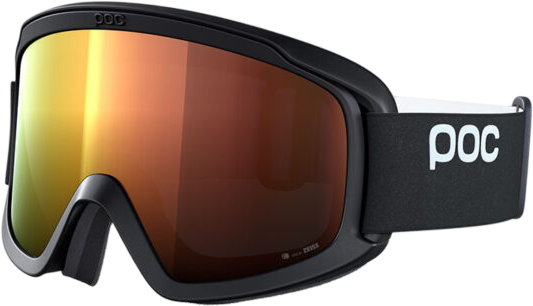
Trailrunning requires more of your gear than ordinary running. Narrow trails, branches, mud, rocks and rapidly changing light conditions make good vision and protection essential. Trailrun goggles are therefore designed with a larger protective visor, a stable fit and lenses that adjust to the light. The larger shield or visor design protects your eyes from wind, du…
Read more
Trailrunning collection

Filter
Trailrunning collection

Category
Brand

Price
In prescription
Suitable for
Frame size
Frame color
Type of glasses
Category
Brand
Price
In prescription
Suitable for
Frame size
Frame color
Type of glasses
No products found
Try selecting other filters or clear your current selection.
Additional information

Trailrunning requires more of your gear than ordinary running. Narrow trails, branches, mud, rocks and rapidly changing light conditions make good vision and protection essential. Trailrun goggles are therefore designed with a larger protective visor, a stable fit and lenses that adjust to the light.
The larger shield or visor design protects your eyes from wind, dust, branches and splashing debris. At the same time, the curved sport fit ensures the goggles stay firmly on your head even when you’re running on technical trails, steep descents or rocky paths.
Many trail running glasses are equipped with self-tinting (photochromatic) lenses. These automatically adjust to the light conditions. This allows you to maintain good vision when running from a wooded trail into open terrain, or when the weather changes during a long trail run.
Contrast-enhanced gray or brown lenses are often chosen for trail running. These improve depth perception and make bumps, roots and rocks more visible. This gives you more control and confidence on technical terrain.
Key features of trailrun goggles:
- Large visor for maximum protection from wind, dust and branches
- Sturdy sports fit so the glasses remain stable while running
- Lightweight materials for long-lasting comfort
- Good ventilation to prevent fogging during exercise
- Self-tinting lenses for changing light conditions
- Contrast enhancing gray or brown shades for better trail visibility
Many trailrun goggles can also be made prescription with custom sport lenses in the visor or with an insert clip. Thus, even with an eyeglass strength, you benefit from sharp vision and maximum protection during your run.
What is the difference between trail run glasses and running glasses?
The main difference is in the protection, fit and type of glass. Trailrunning often takes place on narrow trails in forests, mountains or rougher terrain. Therefore, trail run goggles tend to be slightly larger and offer more protection around the eyes.
Trailrun goggles often have a large visor or shield lens that protects your eyes from wind, dust, branches and splashing debris. They also usually sit a bit more securely on the head so the goggles remain stable during technical descents and uneven terrain.
Running goggles for road use tend to be more compact and lightweight. They are designed primarily for comfort during longer runs on asphalt or paved trails, where less protection from branches or dirt is needed.
In addition, trail run glasses often have self-tinting or contrast-enhancing lenses. These help you see roots, rocks and elevation changes better when running through forest or mountainous terrain where the light can change quickly.
In practice, there are many sports glasses that are suitable for both running and trail running. So the difference is often more in the design and focus of the model than in a hard division. Many runners use the same goggles for road workouts, forest runs and technical trails.
Briefly:
- Trailrun goggles: more protection, larger visor, extra stability and often contrast or self-tinting lenses
- Running glasses: lighter and more compact, focusing on comfort and protection from sun and wind on the road
- Many sports glasses are suitable for both running and trail running
Frequently asked questions
The most common solution is a multifocal sports lens with a reading section only at the bottom of the lens, while the upper part has no prescription. This allows you to see clearly into the distance during exercise, while the lower part of the lens lets you easily read your sports watch, bike computer, or a map.
Another option is a sports reader, where this reading section is built in as standard.
If you are looking for a specific pair of glasses and want a more affordable solution, you can choose stick-on reading lenses. These are small, flexible reading inserts that you place on the inside of the lens. They are easy to attach and remove. You can find these products in the accessories section.